






In the heat of a New England summer, pool decks from Boston to Worcester are humming with activity. Somewhere on most of those decks is a staff roster where three lifeguards trained through one agency, two came in with a different card, and one recertified somewhere else entirely.
It works, right up until it does not.
Why mixed certifications create risk
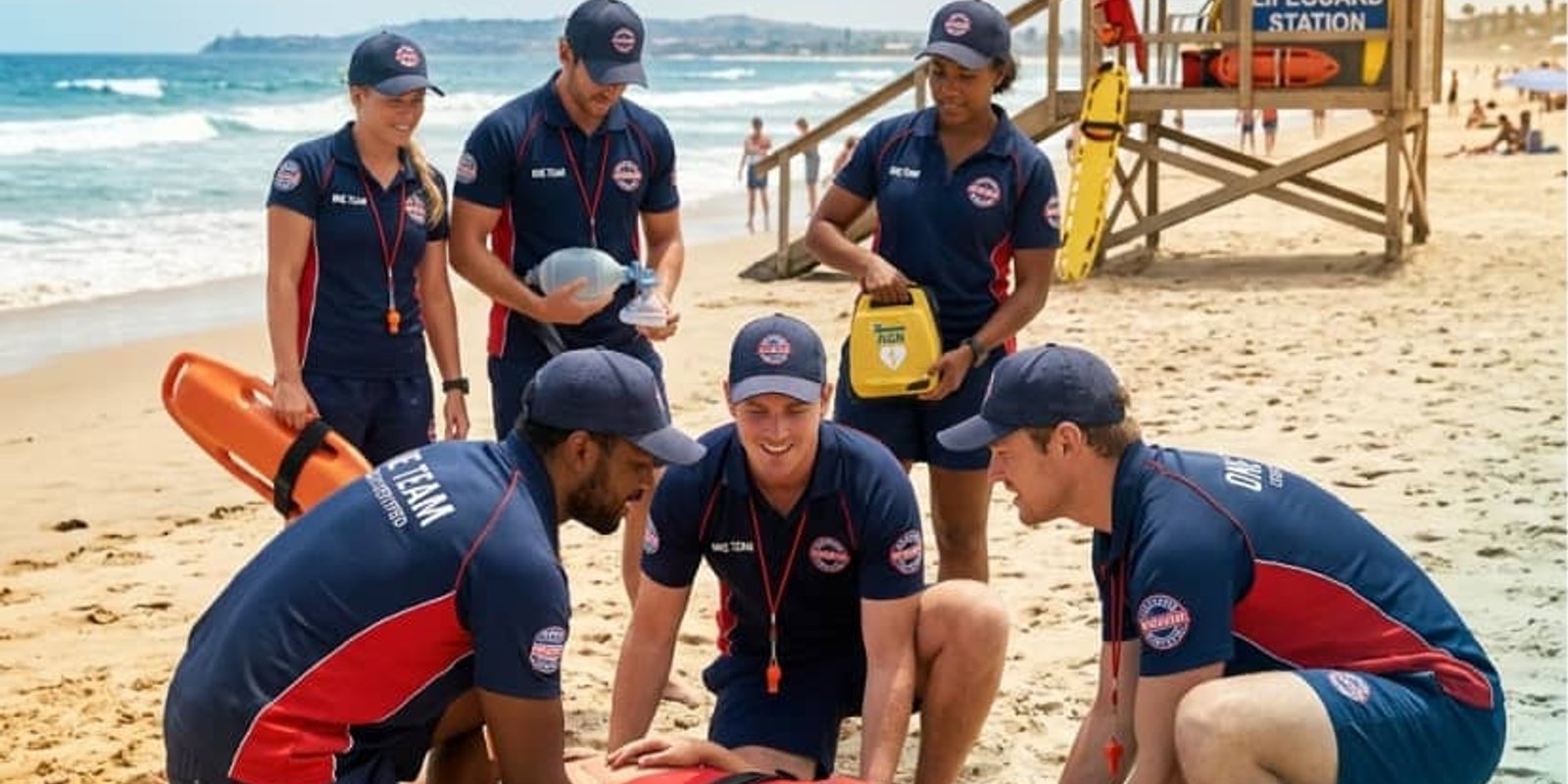
Different curricula teach slightly different sequences. Not wrong — just different. Backboarding procedures vary. Rotation timing varies. The verbal cues a guard expects to hear from a teammate vary.
In a real emergency, hesitation is the enemy. A guard who pauses for half a second because the person beside them is doing it differently than they were taught is a guard who is not helping yet.
What alignment gets you
- Predictable teamwork. Everyone runs the same sequence with the same cues.
- Simpler in-service training. You drill one standard, not three.
- Cleaner records. One provider, one roster, one renewal calendar.
- Easier hiring. New guards get brought onto your standard immediately.
The practical problem
Aligning a team usually means somebody has to recertify, and facilities avoid that because it feels like paying twice for training the guard already has.
That is a fair concern, but it is a one-season cost against a multi-season benefit. Once your staff is on a single standard, every subsequent renewal is simpler, and your in-service time goes toward skills instead of reconciling procedures.
How we help
We are licensed through the Red Cross, the American Heart Association and HSI, which means we can usually match whatever standard your facility, town or insurer requires without sending you to a second provider. We handle scheduling, rosters and eCards, and we come to your facility.
If you are staring at a roster with three different cards on it, get in touch and we will map out what it would take to get everyone on one.